How Assisted Living Communities Make Cooking Therapy Safe and Enjoyable for Seniors
Cooking therapy in assisted living communities combines the health benefits of cooking with safety precautions and fun activities designed specifically for seniors. Learning about how different communities use cooking therapy can help you appreciate the careful planning that goes into making these programs safe and effective for people with a variety of health issues and abilities.
What Is Cooking Therapy?
Cooking therapy is a planned therapeutic activity that helps seniors physically, mentally, and emotionally by requiring them to prepare and cook meals. Cooking therapy differs from casual cooking in that trained professionals lead the activities and ensure everyone’s safety and success while working toward specific wellness goals.
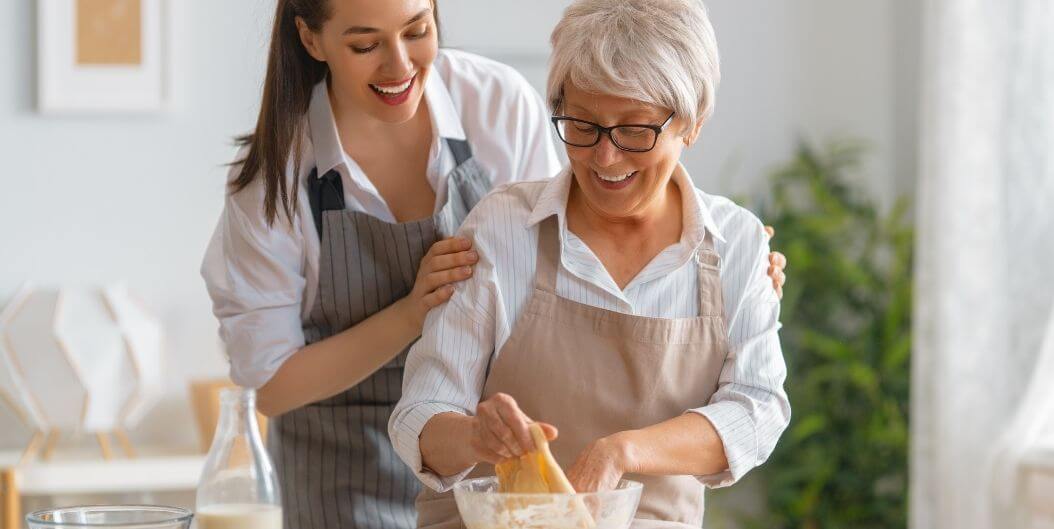
Cooking therapy in assisted living communities consists of supervised cooking activities in which residents help prepare meals, bake, or create food-related crafts. The activities are tailored to each individual’s skills and safety requirements while maintaining the essential aspects of cooking.
Cooking therapy is included in assisted living communities’ wellness programs because it stimulates multiple senses, improves cognitive function, allows people to connect with others and feel good about themselves, and provides gentle physical activity.
Why Cooking Therapy Should Be Safe and Fun for Seniors
Safety is critical in cooking therapy because older adults may have health issues, cognitive changes, or physical limitations that make the kitchen a hazardous environment for them. Sharp knives, hot surfaces, complicated instructions, and multi-step processes are all potentially dangerous and must be handled and monitored with caution.
Enjoyment is equally essential because cooking therapy only works if the people doing it are enthusiastic about it and satisfied with their efforts. Residents will be less likely to participate in cooking activities if they are frustrating, overly strict, or make them feel like children. They will also not receive the health benefits they hoped for. Cooking therapy serves two purposes: it keeps residents safe while they enjoy themselves and provides them with something meaningful to do. Residents enjoy and benefit from regular cooking therapy sessions.
How Assisted Living Communities Make Cooking Therapy Safe for Seniors
Professional Supervision and Control.
Every cooking therapy session is staffed by trained members of the community who can assist with potentially dangerous tasks while allowing residents to continue doing safe activities independently. These supervisors can keep an eye on hot appliances, sharp tools, and other potential hazards throughout the session. When there are safety concerns, staff members respond immediately. Still, supervisors are trained to assist in ways that do not make residents feel less accomplished or involved in the cooking process.
Modified Kitchen Settings and Tools.
Cooking therapy kitchens include safety features such as burners that turn off automatically, induction cooktops that remain cool to the touch, and controls that are easy to see and understand so that they are not accidentally turned on. Kitchen designs feature wider aisles for mobility aids and slip-resistant floors. Some examples of specialized equipment include lightweight pots with easy-grip handles, electric can openers, cutting tools with safety guards, non-slip cutting boards with raised edges, and measuring tools with significant, clear markings explicitly designed for seniors.
Pre-Session Safety Preparation
To avoid time pressure and confusion that could lead to accidents, staff arrange all of the ingredients ahead of time, safely preheat the equipment, and set up individual workstations. Hazardous tools are only distributed and used when necessary and under supervision.
Recipes include clear, easy-to-follow steps as well as pictures to help avoid confusion and reduce the likelihood of potentially dangerous mistakes.
Individual Risk Assessment for Every Senior
Communities consider each resident’s safety needs, physical limitations, and mental abilities to determine how much they should be able to participate and what accommodations are required. This assessment determines what residents can do on their own and what they need assistance with or changes to. There is a regular update of risk assessments to reflect residents’ changing abilities and ensure that safety measures adapt to their needs while providing as many safe opportunities for participation as possible.
Emergency Response Plans.
There are established emergency procedures for burns, cuts, and other cooking-related injuries. First aid supplies are always on hand, and staff members are trained to handle emergencies that arise during cooking therapy. Staff members are trained to recognize early signs of confusion, tiredness, or physical pain that may increase the likelihood of an accident. This allows them to intervene before a safety incident occurs.
How Assisted Living Communities Make Cooking Therapy Enjoyable for Seniors
Personalized Activity Matching
Communities tailor cooking activities to people’s interests, cultural backgrounds, and favorite recipes, allowing residents to work with foods and techniques that are familiar to them and bring back pleasant memories. Activity coordinators determine each resident’s cooking strengths and preferred roles, such as leading recipe discussions, demonstrating techniques, or focusing on the preparation tasks they enjoy most.
Options for Flexible Participation
Cooking sessions are designed so that people of all energy levels and abilities can participate meaningfully. Some tasks are as simple as washing the ingredients, while others are as difficult as following a recipe. People can choose how much they want to participate in each session, so they never feel obligated to do more than they are comfortable with, and they always have the opportunity to help the group.
Getting Along With Others and Cooperating
Communities organize cooking sessions to encourage people to talk to one another by pairing those with different skills, making it easy for them to discuss cooking tasks and share food memories. Residents collaborate on different parts of a recipe, share cooking stories and family traditions, and learn from one another’s techniques and experiences when working on group projects.
Personal and Cultural Connections
The programs include recipes and food traditions from the residents’ cultural backgrounds and family histories. This keeps critical personal connections alive and allows residents to share significant portions of their history with others. Residents are encouraged to share family recipes, cooking tips, and food stories, which will make the sessions more meaningful for everyone and enrich the cultural experience.
Programs for Special Events and Seasons
Cooking therapy employs seasonal foods, holiday traditions, and special celebration foods to create events that people look forward to while also connecting them to familiar annual rhythms and festivities. People in the community frequently anticipate these special programs, which become community highlights and provide positive memories and experiences for all.
Want to Try Cooking Therapy That Is Both Safe and Enjoyable? Find Out About Bailey Pointe Assisted Living in Roxbury Park.
Bailey Pointe Assisted Living at Roxbury Park provides structured cooking therapy that is safe and enjoyable for people of all skill levels. If you want to continue cooking in an environment that prioritizes your safety and enjoyment, this is the place for you. Schedule a tour of our Omaha, Nebraska, assisted living community and see how we make cooking safe while still allowing you to enjoy this vital activity.